“All happy families are alike; each unhappy family is unhappy in its own way.”
These opening words of Anna Karenina by Leo Tolstoy are not just a literary flourish — they carry a great truth.
A family needs many elements to stay whole – affection, presence, patience, and the ability to care for one another in both joy and hardship. When even one of these is missing, families drift, wounds deepen, and people become strangers to their own kin.
Every family bears its own shape of grief. And in that sense, every loss is its own kind of story.
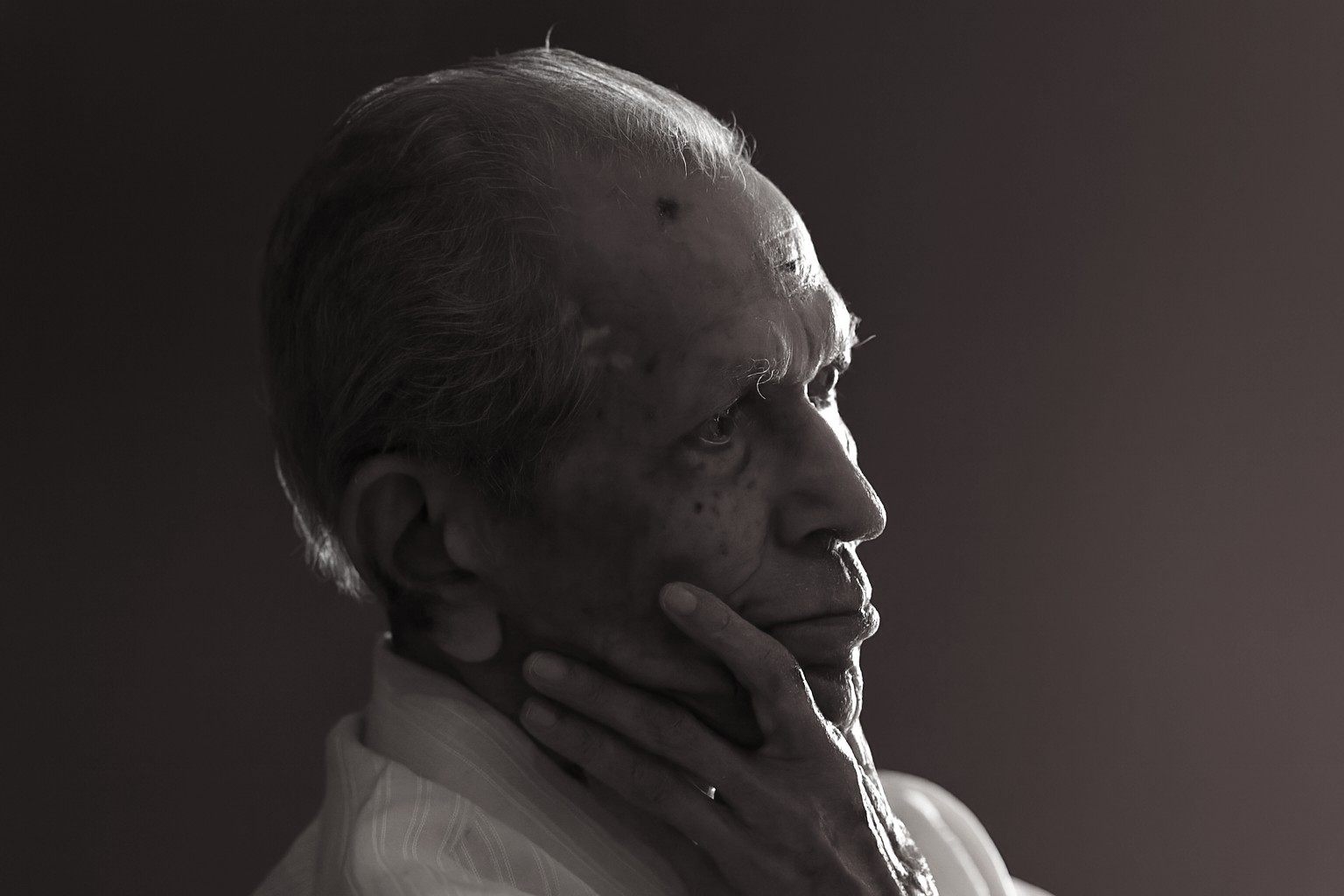
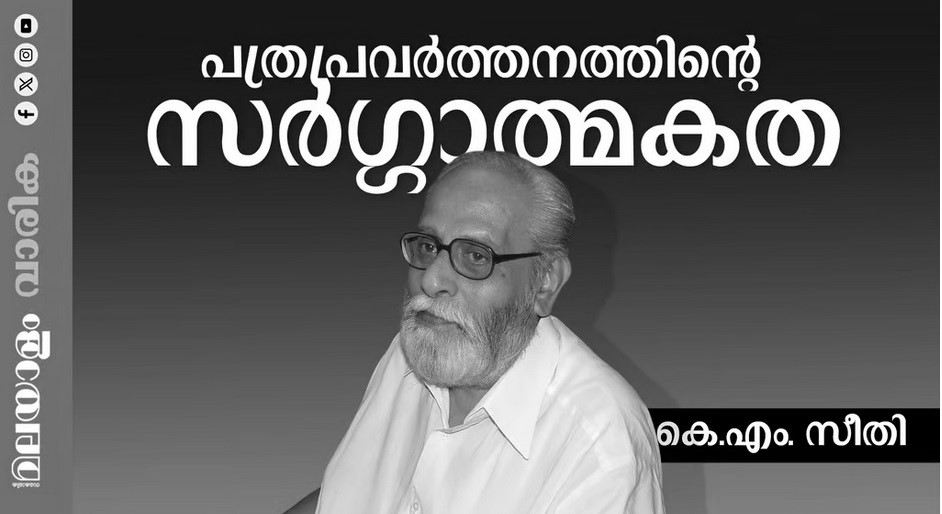
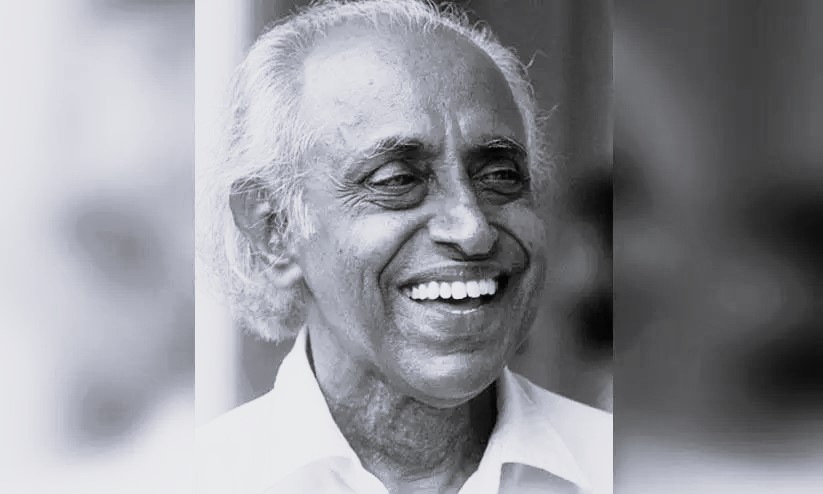
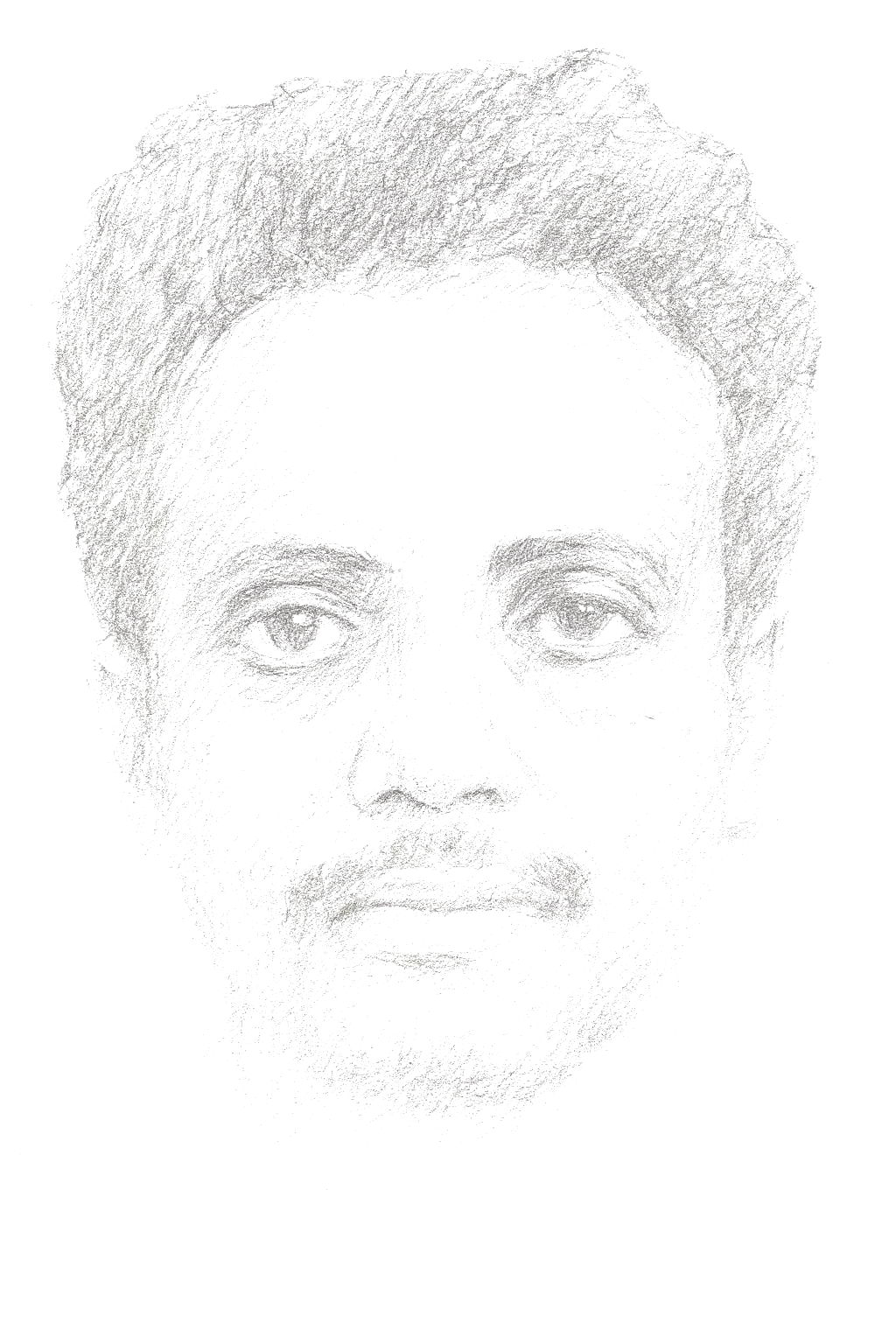
I write this in memory of Muhammed Nisar, my first cousin, who passed away on July 22, 2025, at the age of 62 in Kodungallur, Thrissur district. He was the grandson of the late K. M. Seethi Sahib, former Speaker of the Kerala Legislative Assembly. His mother, Aisha Beevi, was Seethi Sahib’s second daughter. His father, Advocate Hydrose, was a man known for his quiet strength and grace. Nisar is survived by his wife Razia and two sons — Mohammed Adhil, a medical student, and Mohammed Aflal. His siblings include P. A. Ahammed Unni (USA), Shamim, Sajitha, P. A. Seethi Master, Dr. Fazlul Haq, and Mohammed Faizal.
Nisar is remembered most closely with his twin brother Faizal. They were inseparable in childhood and remained deeply connected throughout life. To think of one was always to think of the other.
My thoughts return to Mangapparabu, the ancestral house in Edavilangu. That house was more than brick and timber. It had the character of tradition — wooden beams, shadowed passageways, and a wind-swept veranda that welcomed both guests and time. It was in such a space that Nisar lived, rooted in a way of life that valued quiet dignity over show, and kindness over attention.
My visits to my aunt Aishabi and uncle Hydrose were not frequent, but they stayed with me. They were people who offered love without expectation. Nisar grew up in that atmosphere. He carried that same quiet presence — not someone to push into view, but someone whose value you understood the more you looked back.
Nisar had been in the hospital for over a month. Despite efforts, he could not return home. His departure is not just a personal loss. It brings up a larger question about how we, in families and communities, have begun to live. We are busy, we chase after things, and in the process, we fail to notice those closest to us slipping away — not just in death, but in life.
There is a pattern we see often now. People surround those with power, wealth, or visibility. Others, especially those who are unwell or facing hardship silently, are left to deal with their pain alone. We forget to reach out. We forget to check in. Until one day, there is no one left to call.
Nisar’s life is a reminder that everyone carries their own quiet world. We must not wait for loss to teach us what presence means. Relationships, even the strongest ones, cannot survive on memory alone. They require attention, time, and the simple act of reaching out.
Remembering Nisar is also a way of remembering what we owe to one another — not in grand words, but in small acts of concern. His life mattered, even if it was not loud. His absence matters now, perhaps more than we ever said while he was with us.
Let this not just be a note of mourning. Let it be a pause to reflect on how we live with — or away from — those who share our blood, our stories, and our past. Let us not ignore those whose names we do not hear often. Let us not be families that forget how to be families.